Introduction to Feng Shui for Childrens Bedrooms
Feng Shui, an ancient Chinese philosophy focused on harmonising individuals with their environment, has gained traction beyond its Eastern origins, now resonating within many British households. At its core, Feng Shui revolves around the flow of energy, or “chi”, and its ability to influence well-being, comfort, and quality of life. When applied thoughtfully to childrens bedrooms, these principles can offer practical benefits that directly impact sleep quality and emotional balance—two priorities for modern British families. In the UK, where family life often blends tradition with innovation, adapting Feng Shui to suit local culture can help create nurturing spaces that support childrens growth and rest. As we explore this practice through a distinctly British lens, the focus will be on actionable steps that families can take to foster calm, security, and positive routines within their children’s bedrooms.
Adapting Feng Shui to British Homes
When considering the integration of Feng Shui principles into children’s bedrooms across the UK, it is essential to start by analysing the distinctive features of British architecture, standard room layouts, and everyday cultural habits. Unlike the open-plan designs found in some other countries, many British homes—especially those built during the Victorian, Edwardian, or interwar periods—feature compact rooms, bay windows, chimney breasts, and alcoves. These architectural details directly influence how energy (or “chi”) flows through a space and determine how effectively Feng Shui practices can be adapted.
Architectural Characteristics in British Homes
Typical British homes often include:
| Feature | Description | Feng Shui Consideration |
|---|---|---|
| Bay Windows | Project out from main walls; often found in bedrooms | Ideal for placing a reading nook or soft seating area; avoid positioning beds inside bays due to energy exposure |
| Chimney Breasts & Alcoves | Create natural recesses and focal points in rooms | Alcoves can be used for storage or shelving but avoid clutter; ensure the bed is not backed directly onto a chimney breast for better energy flow |
| Small Room Sizes | Especially in period properties or urban flats | Opt for multi-functional furniture and maintain clear pathways to allow chi to circulate freely |
| Carpeted Floors | Common in bedrooms for comfort and warmth | Carpets help absorb excess energy and reduce noise, supporting restful sleep environments |
| Centrally Heated Radiators under Windows | A typical heating solution in bedrooms | Avoid blocking radiators with furniture; consider window treatments that support privacy while allowing daylight in during the day |
Cultural Habits Impacting Sleep Spaces
The bedtime routines and lifestyle preferences of British families also influence how children’s bedrooms are arranged. For example, there is a strong emphasis on reading before bed—a tradition that can be supported by ensuring good lighting and comfortable seating near beds. Additionally, many British parents prioritise blackout curtains to address early summer sunrises or street lighting outside, aligning with Feng Shui advice to create a dark, calming sleep environment at night.
Navigating Shared Bedrooms and Storage Constraints
It is common for siblings to share a bedroom in British homes due to space constraints. Feng Shui principles suggest creating defined personal zones within shared spaces by using rugs, bookshelves, or even colour schemes to give each child a sense of ownership and security. Well-organised storage is crucial: clutter disrupts energy flow and can undermine a sense of calm. Built-in wardrobes or under-bed drawers are practical solutions that align with both British home design and Feng Shui philosophy.
Summary Table: Key Feng Shui Adaptations for British Children’s Bedrooms
| Challenge in British Homes | Feng Shui Solution |
|---|---|
| Lack of space/Small rooms | Use light colours; keep pathways clear; select multifunctional furniture; maximise vertical storage |
| Beds under windows or next to radiators | If possible, position beds away from direct window drafts and heat sources; use headboards as energetic buffers if relocation isn’t feasible |
| Noisy external environment (e.g., traffic) | Add soft furnishings (curtains, cushions) to absorb sound; place bed further from window if possible; introduce soothing elements like plants (child-safe varieties) |
| Siblings sharing rooms | Create distinct zones using furniture arrangement or colour accents; ensure equal access to natural light and personal storage areas for each child |
| Lack of natural light during winter months | Use mirrors strategically to reflect light; opt for warm-toned artificial lighting in the evenings to foster relaxation without overstimulation |
This analytical approach ensures that Feng Shui recommendations are not imported wholesale but instead tailored thoughtfully to the realities of modern British family life. By understanding local architectural nuances and cultural routines, families can harness traditional wisdom in ways that feel intuitive and genuinely supportive of children’s wellbeing.
3. Key Feng Shui Elements for Improving Childrens Sleep
Applying Feng Shui in a British context requires an understanding of its foundational principles and how they can be practically adapted to local homes and lifestyles. Below, we break down the core Feng Shui concepts—bed placement, decluttering, use of colours, and natural light—that are most relevant to enhancing childrens sleep quality, supported by both traditional beliefs and modern evidence.
Bed Placement: Positioning for Security and Calm
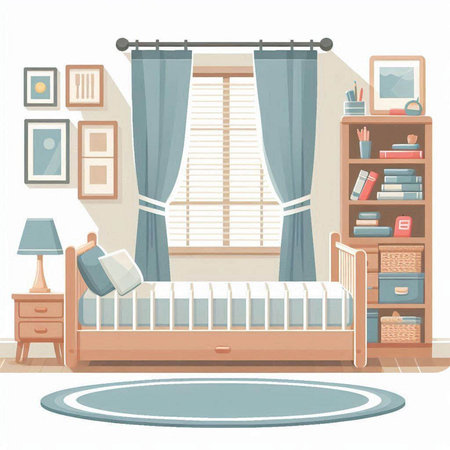
One of the cardinal rules in Feng Shui is placing the bed in the command position. For children’s bedrooms, this means positioning the bed so that your child can see the door while lying down, but without being directly in line with it. This arrangement is believed to foster a sense of safety and control over their environment—a principle echoed by psychological studies showing that a secure sleeping space reduces night-time anxiety. In typical British homes where rooms may be compact or irregularly shaped, prioritise keeping the headboard against a solid wall and avoid placing beds directly beneath windows or between doors and windows to minimise draughts and disturbances.
Decluttering: Creating Space for Restful Energy
Clutter is thought to disrupt the flow of positive energy (Qi) in Feng Shui and can also contribute to cognitive overload according to contemporary research. Encouraging children to keep their bedrooms tidy not only aligns with Feng Shui ideals but also supports better sleep hygiene as clutter has been linked with increased stress and poorer sleep outcomes. Practical strategies for British families include regular tidying routines, using under-bed storage solutions, and keeping toys or school materials out of sight during bedtime hours.
Colour Choices: Calming Palettes for Tranquility
Feng Shui traditionally recommends soft, muted colours such as pale blues, greens, or earth tones for children’s bedrooms to promote relaxation. Scientific studies back this up: cool hues are associated with lower heart rates and calmer moods. While British tastes often favour neutral tones or gentle pastels, integrating these shades through bedding, curtains, or feature walls can harmonise with both cultural preferences and Feng Shui recommendations, helping to create a serene environment that encourages deep sleep.
Natural Light: Harnessing Daylight for Well-being
Maximising exposure to natural light during the day is vital in both Feng Shui and Western sleep science. Good daylight helps regulate circadian rhythms, making it easier for children to fall asleep at night. In many UK homes where sunlight may be limited during certain seasons, keep window areas clear of heavy drapes during daytime hours and use mirrors strategically to reflect available light around the room. At night, ensure blackout blinds or curtains are used to block streetlights—balancing the need for darkness while maintaining daytime brightness.
Evidence-Based Approach
The synergy between traditional Feng Shui wisdom and contemporary evidence-based practices provides a holistic framework for British families looking to improve their children’s sleep. By mindfully arranging furniture, minimising clutter, selecting appropriate colours, and making the most of natural light, parents can create nurturing spaces that support restful nights—rooted in both cultural tradition and scientific understanding.
4. Cultural Sensitivities and Localised Advice
When considering Feng Shui for children’s bedrooms in British homes, it is essential to respect the unique social norms, sensitivities, and daily routines that characterise life in the UK. Unlike traditional Chinese households where Feng Shui practices may be deeply woven into the family structure and rituals, British families often approach home design with a blend of practicality, personal expression, and an emphasis on comfort and privacy. To make Feng Shui both accessible and effective, recommendations must be adapted to fit these local preferences.
Understanding British Family Routines
Most British families value regular bedtime routines and independence in children from a young age. Bedrooms are not just sleeping spaces but also areas for study, play, and quiet reflection. The following table highlights common British family practices alongside Feng Shui adjustments:
| British Routine or Norm | Feng Shui Guidance |
|---|---|
| Emphasis on Privacy | Position beds so children can see the door but are not directly in line with it—this preserves privacy while offering a sense of security. |
| Flexible Bedtime Schedules | Use soft lighting and calming colours to help signal bedtime, supporting smoother transitions irrespective of varying schedules. |
| Multi-Functional Bedrooms | Create clear zones within the room for sleep, study, and play using rugs or furniture placement; this aligns with Feng Shui zoning principles without imposing drastic changes. |
| Respect for Children’s Preferences | Encourage children to participate in choosing décor within Feng Shui guidelines (e.g., avoiding overly stimulating artwork above beds). |
Sensitivities Around Space and Tradition
The average UK home is smaller than its international counterparts, especially in cities. Therefore, spatial efficiency is paramount. Rather than suggesting extensive rearrangements or elaborate water features—which may be impractical—focus on small, meaningful adjustments such as decluttering under beds or ensuring windows can open for fresh air flow. Additionally, it’s wise to avoid superstitious language or prescriptive rules; instead, frame suggestions around wellbeing and comfort.
Practicality Over Dogma
UK households appreciate guidance that feels pragmatic rather than rigidly traditional. For instance, if removing a mirror from a child’s bedroom isn’t possible due to space constraints, recommend covering it at night instead of insisting on its removal. This approach respects both cultural differences and logistical realities.
Integrating Feng Shui into Everyday Life
Ultimately, tailoring Feng Shui advice for British families means blending ancient wisdom with modern lifestyles. Focusing on achievable tweaks—such as gentle lighting, decluttered surfaces, and personalised touches—makes these practices more relevant and encourages greater adoption within the context of UK family life.
5. Balancing Traditional Feng Shui with Modern British Design
Blending the ancient principles of Feng Shui with contemporary British interior design can feel challenging, especially when aiming to create restful and visually appealing childrens bedrooms. However, these two worlds are not mutually exclusive. In fact, British families can incorporate Feng Shui concepts in subtle ways that honour both cultural heritage and personal style preferences. Here are practical examples of how this balance can be achieved within the context of modern UK homes and children’s unique tastes.
Choosing Calming Colours with a British Twist
Feng Shui recommends soothing, nature-inspired colours to encourage restful sleep and emotional balance. In the UK, this can translate into soft greys, gentle blues, or muted greens—shades often found in British countryside landscapes or coastal scenes. While traditional Feng Shui may favour earth tones, adapting these suggestions to include popular British hues such as duck-egg blue or sage green allows for a harmonious blend of tradition and local character.
Integrating Iconic British Motifs Thoughtfully
Children often want themed bedrooms—think London buses, Beatrix Potter characters, or classic football clubs. Instead of overpowering the space with bold imagery, use these motifs sparingly as accents on bedding or wall art. According to Feng Shui, clutter and visual noise can disrupt energy flow (Qi), so maintaining simplicity while celebrating British culture supports both aesthetic appeal and restful sleep.
Optimising Furniture Placement for Qi Flow
Modern British homes often have limited space, making furniture arrangement crucial. Position the child’s bed away from direct alignment with doors but with a clear view of the entrance—a core Feng Shui guideline. Use compact storage solutions like built-in wardrobes or under-bed drawers to keep toys organised, reducing clutter without compromising on contemporary design sensibilities.
Selecting Natural Materials with Local Influence
Feng Shui favours natural materials such as wood and cotton for their grounding effects. Opt for locally sourced wooden furniture or organic cotton bedding in classic British patterns (like tartan or floral prints) to reinforce both environmental consciousness and cultural resonance within your child’s room.
Encouraging Personal Expression within Guidelines
While Feng Shui provides foundational principles, children thrive when they have agency in their surroundings. Allow them to choose artwork or decorative items that resonate personally—within a curated selection that aligns with calming Feng Shui guidelines. For example, let them pick prints of their favourite animals or landscapes from across the UK, ensuring that these choices still promote tranquillity rather than overstimulation.
By thoughtfully merging traditional Feng Shui practices with modern British décor and children’s preferences, families can foster nurturing environments that support restful sleep while celebrating individuality and local identity.
6. Case Studies: Real-Life British Families Adopting Feng Shui
To illustrate the practical benefits and cultural adaptability of Feng Shui in children’s bedrooms, several British families have shared their experiences. These real-life examples highlight how traditional Chinese principles can be seamlessly integrated into the UK context, resulting in improved sleep quality and overall well-being for children.
The Thompson Family: Embracing Simplicity in Surrey
The Thompsons, residing in a classic semi-detached home in Surrey, decided to address their daughter’s restless nights by rethinking her bedroom arrangement. Inspired by Feng Shui advice, they repositioned her bed so it was not directly aligned with the door and ensured that no mirrors faced her sleeping area. By decluttering toys and keeping only a few cherished items visible, they noticed a marked improvement in her ability to fall asleep quickly and stay asleep throughout the night. The parents appreciated how these changes did not require major renovations—just thoughtful adjustments compatible with their existing British décor.
The Patel Family: Blending Cultures in Manchester
The Patels were keen to merge their Indian heritage with new holistic approaches as they settled into life in Manchester. For their son’s bedroom, they introduced soft green hues on the walls, reflecting both calming Feng Shui recommendations and their own preference for earthy tones. They also incorporated blackout curtains to block streetlight glare—a common concern in UK urban environments. After these changes, their son reported fewer nightmares and woke up feeling more refreshed. The family valued how Feng Shui could be tailored to their needs without conflicting with other cultural traditions.
The Evans Family: Tackling Technology in Cardiff
With two tech-savvy teenagers sharing a room, the Evans family struggled to create a restful space amid screens and devices. Guided by Feng Shui practices, they established a ‘tech-free’ zone around the beds, using shelves to keep electronics away from head level during sleep hours. They also introduced houseplants near the window for better air quality—a nod to both Feng Shui wisdom and modern British environmental awareness. Over time, both children reported deeper sleep and found it easier to unwind before bedtime.
Insights from These Stories
These case studies demonstrate that British families do not need to overhaul their homes or compromise on local aesthetics to benefit from Feng Shui principles. Small but intentional modifications—such as mindful bed placement, colour choices rooted in both culture and psychology, and minimising electronic distractions—can yield tangible improvements in children’s sleep patterns. The adaptability of Feng Shui ensures it remains relevant within diverse British households, supporting children’s well-being while respecting family routines and values.
7. Summary and Actionable Tips for British Parents
Recapping Key Insights
Integrating Feng Shui into your childs bedroom need not be mystical or complex. By adopting a rational, step-by-step approach, British parents can create more restful, nurturing spaces that support childrens sleep and wellbeing. Let us review the main points and translate them into practical actions.
Step 1: Assess Room Layout and Bed Position
Begin by evaluating the bedrooms layout. Place your child’s bed in a “command position”—ideally with the headboard against a solid wall, away from direct alignment with the door or window. This fosters a sense of security and calm, which is crucial for good sleep.
Step 2: Choose Calming Colours and Materials
Opt for soft, muted colours like pastel blues, greens, or gentle earth tones that resonate with British sensibilities and seasonal light. Natural materials such as cotton bedding or wooden furniture help to create a soothing environment aligned with both Feng Shui principles and British preferences for comfort.
Step 3: Declutter and Organise
Regularly tidy the room to remove clutter, especially under the bed, as this can disrupt energy flow (or “chi”). Storage solutions common in UK homes—such as under-bed drawers or built-in wardrobes—can keep belongings organised while maximising limited space.
Step 4: Personalise Thoughtfully
Encourage children to personalise their space with meaningful decorations, family photos, or artwork—but avoid overcrowding walls or surfaces. Select items that inspire positivity and comfort without overwhelming the senses.
Step 5: Enhance Natural Light and Airflow
Make the most of natural daylight by keeping windows clear of heavy curtains during the day and opening them for fresh air when weather permits. This supports both Feng Shui ideals and the British appreciation for a bright, airy home despite often cloudy skies.
Taking the First Steps
For British parents new to Feng Shui, it is wise to start small: focus on one aspect at a time—perhaps rearranging the bed first, then gradually addressing colour palettes and decluttering. Invite your child’s input to ensure changes feel supportive rather than disruptive. Ultimately, blending these ancient design principles with local habits empowers families to foster healthier sleep routines in an authentically British way.