
Introduction to Feng Shui in Shared Living
In the bustling cities and university towns across the UK, shared living arrangements such as HMOs (Houses in Multiple Occupation) and student accommodation are increasingly common. While these spaces offer practical solutions for affordable living, they often present challenges when it comes to creating a harmonious and comfortable environment. Enter Feng Shui—an ancient Chinese practice designed to enhance wellbeing through mindful spatial arrangement. Though traditionally rooted in Eastern philosophy, Feng Shui’s core principles can be thoughtfully adapted to suit British lifestyles and architecture. By applying the Bagua Map—a central tool in Feng Shui—to shared UK residences, tenants and landlords alike can foster balance, boost positive energy, and cultivate a sense of belonging. This introduction explores the unique relevance and tangible benefits of incorporating Feng Shui into shared living spaces, laying the foundation for a more supportive, uplifting atmosphere within HMOs and student accommodations across the country.
Bagua Map Essentials: British Homes Edition
Understanding the Bagua Map is the first step to weaving Feng Shui into shared living spaces such as HMOs and student accommodation across the UK. The Bagua, a fundamental energy map in Feng Shui, divides a space into nine distinct zones, each corresponding to key aspects of life – from health and wealth to relationships and career. To adapt this ancient wisdom to modern British homes, one must consider unique features such as bay windows, Victorian layouts, terraced housing, and even those all-too-familiar communal kitchens.
How to Use the Bagua Map in a Typical British Shared Flat
Begin by aligning the Bagua Map with the main entrance of your flat or house. This will help you overlay each area onto your actual floor plan. In British shared living scenarios, communal areas often double up on purposes; for example, a kitchen may serve both as a social hub and a workspace. Here’s a practical overview of how each Bagua zone can be interpreted and applied:
| Bagua Area | Traditional Meaning | British Shared Home Interpretation |
|---|---|---|
| Wealth & Prosperity (Southeast) | Abundance, luck, financial wellbeing | Shelves for communal savings pots or house plants in the dining area |
| Fame & Reputation (South) | Recognition, visibility | Noticeboard in hallway for chores or achievements |
| Love & Relationships (Southwest) | Harmony in partnerships | Cosy lounge corner for flatmate bonding or movie nights |
| Family & Health (East) | Wellbeing, kinship | Shared kitchen stocked with healthy snacks and herbal teas |
| Centre (Middle) | Balance, grounding | A tidy communal area with comfy seating for everyone |
| Creativity & Children (West) | Inspiration, creativity | A pinboard for ideas or a communal art/craft shelf |
| Knowledge & Self-Cultivation (Northeast) | Lifelong learning, study | A quiet study nook or shared bookshelf in the hall landing |
| Career & Life Path (North) | Professional growth, direction | A well-lit workspace or desk near the front door for working from home |
| Helpful People & Travel (Northwest) | Support network, journeys | A world map with pins for each resident’s hometown or travel aspirations in the corridor |
Adapting Bagua Wisdom to Local Contexts: A Few Tips
- Zoning Communal Spaces: In typical British flats where rooms are multi-purpose, use subtle cues such as rugs, lamps, or bookcases to delineate Bagua areas without major renovations.
- Cultural Adaptation: Bring in local elements—think patterned mugs for Wealth areas or British wildflowers in Family zones—to blend Feng Shui with familiar comforts.
- Sustainability: Opt for eco-friendly décor and upcycled furniture to energise spaces while reflecting modern British values.
Your Next Step: Floor Plan Mapping Exercise
If you’re ready to transform your shared home using these principles, start by drawing your floor plan and overlaying the Bagua grid. Mark out which room or zone aligns with each life aspect. This simple act helps you visualise changes that can elevate not just your space but also your daily experience of living together.
3. Navigating Shared Spaces: Halls, Kitchens, and Lounges
Shared spaces in HMOs and student accommodation are the pulse of communal living. Applying Feng Shui principles to these areas using the Bagua Map can significantly uplift the energy, foster positive interactions, and ensure everyone feels respected and at ease.
Understanding the Bagua in Communal Zones
The Bagua Map divides a space into nine zones, each representing aspects such as family, health, wealth, and relationships. In British shared homes, hallways often act as arteries connecting private rooms to communal hubs like kitchens and lounges. Positioning welcoming elements—such as soft lighting or plants—at entry points aligns with the Health (Zhen) or Family (Xun) sectors of the Bagua, inviting harmony from the moment someone steps inside.
Fostering Harmony in Kitchens
The kitchen is traditionally linked to nourishment and abundance. To encourage good chi and reduce tension over shared chores or storage, keep counters clutter-free and use calming, neutral tones familiar in UK design palettes. Allocate clear storage zones for each housemate using subtle labels or colour-coded containers—respecting personal boundaries while reinforcing the collective spirit. Consider placing a bowl of fresh fruit in the Wealth area of the kitchen to symbolise shared prosperity.
Cultivating Connection in Lounges
Lounges are social anchors within British shared homes. Arrange seating in gentle curves or circles rather than rigid lines to promote inclusivity and conversation. Soft textiles—think cushions in muted greens or navy blues—reflect classic British cosiness and enhance the Relationship (Kun) zone of the Bagua. Displaying communal achievements or group photos on a feature wall not only personalises the space but also strengthens bonds.
Respecting Boundaries Through Thoughtful Layouts
Strategic furniture placement can subtly delineate zones for relaxation versus activity without imposing hard barriers. For example, use bookshelves or indoor plants as organic dividers between a reading nook and a TV area. This honours both privacy and togetherness—a balance essential for peaceful coexistence.
Enhancing Well-being with Small Rituals
Incorporate simple rituals that resonate with local culture, such as setting out tea-making essentials on a shared tray or establishing a weekly clean-up rota posted near the entrance. These practices support order (the Tai Qi centre of the Bagua) and help everyone feel invested in maintaining a harmonious home environment.
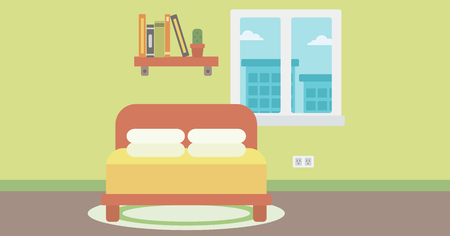
4. Personal Space Matters: Bedrooms and Desk Zones
Within the dynamic environment of HMOs and student accommodation, personal space can often feel like a rare luxury. Yet, Feng Shui reminds us that even the smallest bedroom or study nook can become a powerful retreat when approached with intention. The Bagua Map offers a tailored blueprint for tenants to infuse their individual zones with positive energy, focus, and comfort—key ingredients for academic success and personal wellbeing.
Identifying Your Bagua Area
Begin by mentally overlaying the Bagua Map onto your room layout, aligning the main entrance to your room with the bottom edge of the map. Each sector corresponds to a life aspect—such as knowledge, health, or prosperity. Identifying these areas allows you to personalise your space in ways that support your goals, be it exam revision or restful sleep.
Simple Strategies to Boost Energy in Private Spaces
| Bagua Zone | Focus | Personalisation Tips |
|---|---|---|
| Knowledge & Self-Cultivation (Front Left) | Study & Concentration | Add a desk lamp, blue accents, inspiring quotes, or bookshelf |
| Wealth & Prosperity (Back Left) | Abundance & Confidence | Use lush plants, purple decor, or a piggy bank for savings inspiration |
| Health & Family (Centre Left) | Balance & Vitality | Display family photos or green elements for grounding energy |
| Career (Front Centre) | Aspiration & Flow | Keep this area clutter-free with a tidy doormat or calming artwork near entryway |
| Relationships (Back Right) | Harmony & Support | Soft pink textiles, paired objects (like cushions), or affirmations for connection |
| Creativity (Centre Right) | Inspiration & Expression | Add sketchbooks, art supplies, or playful accessories in white or pastels |
| Helpful People (Front Right) | Networking & Guidance | Keepsakes from mentors, travel souvenirs, or silver accents for gratitude reminders |
| Fame & Reputation (Back Centre) | Pride & Motivation | Awards, certificates, or bold red items to celebrate achievements |
| Health/Heart (Centre) | Cohesion & Calm | A small plant or crystal in the centre of the room for harmony and unity |
Sensible British Touches for Everyday Use
The British approach to home is practical yet quietly expressive. In student flats and HMOs across the UK, opt for easy-care textiles like throws in classic tartans or understated florals to layer warmth and style. Desk zones should be kept orderly—think wire baskets for coursework and mugs for pens. A simple vase with fresh daffodils or lavender evokes both local heritage and vibrant chi.
Tuning Into Tranquility: Practical Actions for Tenants
- Zoning by function: Place your desk in the Knowledge area if possible; use rugs or bookcases as subtle dividers.
- Letting light lead: Ensure natural light isn’t blocked—open curtains daily for a bright start.
- Scented serenity: Add an essential oil diffuser with calming scents like rosemary or bergamot near study areas.
- Tidy rituals: Set aside five minutes each day to clear surfaces—clutter disrupts energy flow and mental clarity.
Your Room as Sanctuary: Empowering Personal Flourish
No matter how compact your HMO bedroom or desk zone may be, intentional placement of cherished objects and mindful colour choices transform it into more than just a place to sleep or revise. By applying these Feng Shui strategies through the lens of the Bagua Map—and infusing them with British sensibility—you create an uplifting space that both soothes and empowers throughout your shared living journey.
5. Conflict Resolution and Wellbeing
Using Feng Shui to Foster Harmony Among Flatmates
Shared living in HMOs and student accommodation often comes with its own set of challenges, from clashing routines to differing standards of cleanliness. By applying the Bagua map—a fundamental tool in Feng Shui—you can actively create spaces that encourage open communication and mutual respect among flatmates. Place communal areas, such as the lounge or kitchen, in the Relationships or Family zone according to the Bagua. This intentional placement invites positive interactions, making it easier to resolve conflicts before they escalate.
Promoting Good Vibes Through Thoughtful Design
Good vibes are more than just a buzzword; they’re essential for mental wellbeing in shared homes. Use colour palettes aligned with the Bagua’s energy zones—soft greens for growth in common rooms, calming blues for rest zones, and vibrant reds for lively kitchens. Incorporate natural elements like plants or wooden accents to soften tensions and keep energy flowing smoothly throughout the space. Even small touches, such as shared noticeboards or coordinated décor, can strengthen community spirit and foster a sense of belonging.
Creating a Supportive Environment for All
The beauty of Feng Shui lies in its holistic approach: everyone benefits when the space supports collective wellbeing. Encourage residents to personalise their private spaces within the boundaries of respect, while keeping communal areas clutter-free and harmonious. Rituals like regular flat meetings around a central table (ideally placed in the ‘Health’ area of your Bagua map) reinforce open dialogue and shared responsibility. By aligning your living environment with these ancient principles—and giving them a distinctly British twist—you lay the groundwork for lasting friendships and a supportive home life.
6. Sustainability, Respect, and Culture
Integrating Feng Shui principles into shared living spaces such as HMOs and student accommodation offers a unique opportunity to align Eastern philosophies with British values, particularly sustainability, inclusivity, and cultural awareness. By using the Bagua Map as a design tool, residents and landlords can create environments that not only foster harmony but also support eco-friendly practices, encourage mutual respect, and celebrate diversity.
Sustainability in Shared Spaces
Feng Shui’s emphasis on balance and natural flow resonates deeply with the UK’s commitment to sustainable living. Incorporate recycled materials, energy-efficient lighting, and indoor plants to activate specific Bagua areas while reducing environmental impact. Choosing locally sourced furnishings and mindful consumption also echo both Feng Shui wisdom and British efforts towards greener lifestyles.
Respecting Individual Needs
Shared accommodation thrives when every resident feels valued. The Bagua Map can guide the fair allocation of space—ensuring each tenant has access to light, fresh air, and personal zones for reflection or study. This approach encourages respect for individual routines and privacy, which is vital in British communal settings where personal boundaries are highly regarded.
Cultural Inclusivity through Design
Applying Feng Shui does not mean imposing unfamiliar aesthetics; rather, it invites a dialogue between cultures. In the UK’s diverse shared housing landscape, incorporate elements from all residents’ backgrounds alongside traditional Feng Shui cures—be it artwork, colours, or meaningful objects. This practice honours everyone’s identity and fosters a sense of belonging, reinforcing Britain’s multicultural ethos within the home.
By blending the ancient art of Feng Shui with contemporary British values in shared living spaces, we cultivate environments that support well-being, environmental responsibility, and community spirit. Ultimately, such integration turns accommodation into more than just a place to live—it becomes a home that truly reflects respect for people and planet alike.