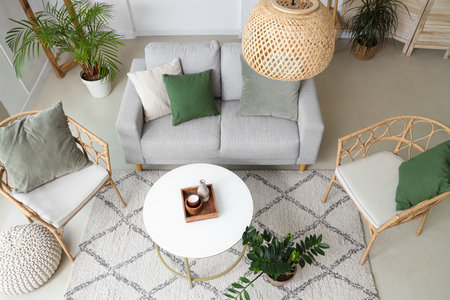
Introduction: The Charm and Challenge of British Small Spaces
There is an undeniable charm to the compact living rooms found in many British homes. From cosy Victorian terraces in bustling cities to snug cottages nestled in the countryside, these spaces tell stories of tradition, resilience, and adaptability. Yet, with rising property prices and a growing preference for urban living, spatial constraints have become a defining feature of modern British life. Navigating small living rooms often means making thoughtful decisions about every piece of furniture and every inch of floor space. It’s here that feng shui, an ancient Chinese practice focused on arranging spaces for optimal energy flow, becomes increasingly relevant. By applying feng shui principles within the unique context of British interiors, homeowners can create environments that feel more spacious, harmonious, and comfortable—no matter how limited the square footage may be.
Essential Feng Shui Principles for Cosy Living
When navigating the art of feng shui in small British living rooms, it is crucial to adapt its core principles to fit both the compact dimensions and the distinct character of UK homes. At its heart, feng shui revolves around the flow of chi (energy), harnessing natural light, and maintaining a clutter-free environment. These elements are particularly relevant in Britain, where Victorian terraces or modern flats often feature limited space and unique architectural quirks. Below, we break down these essential principles and offer practical ways to weave them into your daily life.
The Flow of Chi
Chi refers to the vital energy that moves through our homes. In a typical British living room—where space can be at a premium—it is important to arrange furniture so that pathways remain open and welcoming. Avoid blocking doors or windows with bulky sofas or armchairs, as this can disrupt the movement of chi and make the room feel cramped.
The Importance of Light
Naturally-lit spaces are highly prized in British interiors, especially given the country’s often grey skies. Maximise daylight by using light window dressings or positioning mirrors opposite windows to reflect brightness deeper into the room. If natural light is scarce, opt for layered lighting: combine ceiling fixtures with floor lamps and table lamps for a warm, inviting atmosphere.
The Role of Decluttering
Clutter not only takes up precious space but also stagnates energy. Regularly sort through magazines, shoes, and other everyday items that tend to accumulate in small rooms. Invest in clever storage solutions like ottomans or built-in shelving units that tuck away clutter without sacrificing style.
Feng Shui Principles Adapted for British Living Rooms
| Principle | British Context Tips |
|---|---|
| Flow of Chi | Keep walkways clear; avoid blocking fireplaces—a common UK feature |
| Natural Light | Use sheer curtains; place mirrors thoughtfully; embrace traditional sash windows |
| Decluttering | Utilise under-stair storage; incorporate multi-functional furniture |
Applying these core feng shui concepts with a nod to British sensibilities ensures your small living room feels both spacious and serene—a haven suited for everything from afternoon tea to an evening curled up with a good book.
3. Furniture Arrangement: Making the Most of Every Inch
Optimising furniture placement is essential for both energy flow and practicality in small British living rooms. Begin by choosing appropriately sized sofas and armchairs—avoid oversized pieces that dominate the space, and instead opt for slimline designs with raised legs, which create a lighter visual footprint. Position your main seating so it faces the entrance to the room if possible; this classic Feng Shui tip encourages positive energy and a welcoming atmosphere.
Maximising Space with Clever Layouts
Keep your layout open by placing larger items against the walls, but be careful not to push everything flat—allowing a few centimetres between furniture and walls can help energy circulate more freely. Modular or multi-functional furniture, such as storage ottomans or extendable coffee tables, is particularly effective in British homes where every inch counts.
Creating Clear Pathways
Avoid blocking pathways with chairs or low tables; clear routes enhance flow and make even snug living rooms feel more spacious. If you have a bay window—a common feature in UK homes—consider placing a compact reading chair or bench there, making use of natural light while keeping the central area uncluttered.
Smart Storage Solutions
Incorporate built-in shelves or floating units above eye level to keep clutter at bay without sacrificing floor space. Use baskets or soft storage under side tables for bits and bobs, maintaining tidiness and promoting good energy. Thoughtful arrangement will not only maximise your living room’s potential but also invite harmony into your home.
4. Colours, Textures, and Accents: Setting the Mood
When it comes to designing compact British living rooms with Feng Shui in mind, colour selection, textures, and decorative accents play a pivotal role in shaping the mood and energy of the space. The right choices not only reflect your personal taste but also help maintain harmony and balance within the home environment.
Choosing Colours for Balance and Light
British interiors often lean towards a muted palette—think soft greys, calming blues, gentle greens, and warm neutrals—that both maximise natural light and create a sense of spaciousness. According to Feng Shui principles, lighter hues can uplift chi (energy) in smaller rooms, making the space feel more open and inviting. Consider using deeper accent colours sparingly to ground the room or highlight key areas.
| Colour | Feng Shui Effect | Typical British Use |
|---|---|---|
| Soft Grey | Calm & Neutral Energy | Main wall colour; pairs well with wood accents |
| Sage Green | Growth & Tranquility | Cushions, rugs, or feature walls |
| Duck Egg Blue | Serenity & Clarity | Sofas or armchairs; subtle wall shade |
| Mustard Yellow | Warmth & Optimism | Throws, lampshades, or artwork highlights |
| Navy Blue | Depth & Wisdom | Curtains or statement furniture pieces |
Incorporating Textures for Comfort and Energy Flow
Soft furnishings are essential in British homes for comfort as well as for promoting good energy flow. Opt for natural fibres like cotton, wool, or linen to encourage warmth and tactile appeal. Layering textures—such as a plush rug over wooden floors or velvet cushions on a tweed sofa—creates visual interest without overcrowding the space. This aligns with Feng Shui’s emphasis on comfort and grounding elements.
Textural Combinations to Try:
- Wool throws with linen cushions for a cosy yet breathable effect.
- A jute rug paired with a tufted pouffe to balance softness and structure.
- Ceramic vases or glazed pottery to add an earthy touch without clutter.
Decorative Accents: Personal Touches with Purpose
Accents should be chosen thoughtfully to avoid overwhelming a small living area. Classic British touches like framed watercolour prints, floral arrangements in simple jars, or brass candlesticks can enhance character while supporting positive energy flow. Mirrors are especially effective—they reflect light and visually expand the room when placed opposite windows or near entryways (a classic Feng Shui technique).
Tips for Balanced Accenting:
- Select a few meaningful pieces instead of many small items—quality over quantity keeps chi flowing smoothly.
- Integrate houseplants such as English ivy or peace lilies to purify air and introduce life force (sheng chi).
- Avoid sharp-edged décor; rounded shapes are gentler on both energy and movement within tight spaces.
Together, these elements—colours, textures, and accents—establish a harmonious foundation in compact British living rooms. By blending local sensibilities with Feng Shui wisdom, you can create an inviting retreat that feels both authentically British and energetically balanced.
5. Cultural Touchstones: Blending Feng Shui with British Home Traditions
Integrating feng shui principles into the heart of a traditional British home may seem daunting, but it can be surprisingly seamless—and even quite charming. Many British living rooms boast distinctive features such as fireplaces, bay windows, and ornate cornices. These elements are not only architectural treasures but also play unique roles in shaping the room’s energy flow.
Fireplaces as Focal Points
In British homes, the fireplace is often the centrepiece of the living room. According to feng shui, the fireplace represents the fire element, which brings warmth and vitality. To harmonise this with good energy flow, keep the mantle clutter-free and balanced—displaying pairs of candlesticks or vases for symmetry. Consider placing a mirror above the mantle to reflect light and ‘double’ positive energy, but ensure it does not directly face the door, which could cause energy to rush out too quickly.
Bay Windows and Natural Light
Bay windows are a much-loved feature in many compact British homes. From a feng shui perspective, they invite abundant natural light and fresh chi (energy) into your space. Maximise their effect by keeping window sills tidy and using light curtains that allow daylight to filter through gently. Placing healthy green plants on bay window ledges can further enhance vitality and connect your interior with nature—a nod to both feng shui and classic English gardening traditions.
Heritage Décor Meets Energy Flow
Traditional British décor often includes rich textiles, patterned rugs, and dark wood furniture. To avoid overwhelming a small room and stagnating energy, embrace feng shui’s advice to keep pathways clear. Arrange seating so that there is an open route for movement (and chi), ideally positioning sofas to face the door without being directly in line with it. Soft furnishings in earthy or calming tones can ground your scheme while echoing both British cosiness and feng shui balance.
Personal Touches & Balance
Family heirlooms, bookshelves brimming with classics, or vintage teacups are typical in many UK living rooms. Feng shui recommends displaying cherished items thoughtfully—grouping them by twos or threes for visual harmony—and avoiding excessive clutter. Incorporate meaningful art or photographs on walls, but position them at eye level to support a sense of stability and comfort.
The key is respectful blending: let beloved British traditions shine while allowing feng shui’s principles of balance, clarity, and flow to shape your small living space into a haven of comfort and positive energy.
6. Practical British Considerations
When applying Feng Shui principles to small living rooms in the UK, it’s important to recognise the unique features commonly found in British homes. From Victorian terraces with ornate fireplaces and period coving, to modern flats equipped with built-in wardrobes and ever-present radiators, these architectural quirks can feel like obstacles in a compact space. However, by taking a pragmatic approach, you can incorporate these elements into an intentional and harmonious layout.
Making Peace With Radiators
Radiators are a staple in British properties and often sit beneath windows or along main walls. While Feng Shui encourages the free flow of energy, radiators can disrupt furniture placement. Rather than blocking them with bulky sofas or storage units, opt for low-profile seating or floating shelves above to allow heat circulation without crowding the area. Decorative radiator covers can also soften their visual impact while maintaining warmth and Chi flow.
Built-In Storage: A Blessing In Disguise
Many UK homes feature alcoves, under-stairs cupboards, or fitted wardrobes that eat into precious floor space. Instead of seeing these as a hindrance, embrace them as opportunities for clutter-free living—a key tenet of Feng Shui. Use built-ins for concealed storage, keeping personal items out of sight to foster calmness and order. Modular shelving or baskets within these spaces help maintain tidiness and adaptability as needs change.
Honouring Period Details
Original skirting boards, cornices, and decorative fireplaces contribute to the character of older British homes but can complicate layout decisions. Rather than covering these features, highlight them with thoughtful lighting or accent colours that complement your overall scheme. Arrange seating so that these details remain focal points; this respects both the home’s history and the Feng Shui principle of balance between new and old.
Ultimately, adapting Feng Shui to suit British living room realities means working with—rather than against—the fabric of your home. By embracing architectural features and making strategic choices, you can achieve both practicality and positive energy flow in even the most compact spaces.
7. Conclusion: Creating Harmony in Small British Living Rooms
Embracing feng shui within the unique context of compact British homes is less about rigid rules and more about thoughtful adaptation. We’ve explored how maximising natural light, using mirrors strategically, choosing space-saving furniture, and maintaining a clutter-free environment can all contribute to a harmonious living space, even in the smallest of British sitting rooms. The key takeaway is that feng shui principles are highly adaptable—consider your personal lifestyle, the quirks of your home, and your own sense of comfort as you arrange your space. There’s no need to pursue perfection; instead, focus on creating a living room that feels open, balanced, and inviting for both yourself and your guests. In the end, successful feng shui is about fostering a positive atmosphere and encouraging wellbeing. Experiment with different layouts, be mindful of your surroundings, and let your living room evolve over time to best suit your needs. With patience and creativity, even the cosiest British lounge can become a sanctuary of calm and harmony.