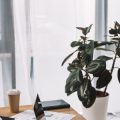
Understanding Feng Shui in a British Context
Feng Shui, an ancient Chinese practice focused on harmonising individuals with their surrounding environment, has gained global recognition for its holistic approach to space and wellbeing. In the UK, where home offices have become increasingly prevalent, integrating Feng Shui principles can offer unique benefits for productivity and mental clarity. However, it is essential to adapt these concepts thoughtfully, taking into account British lifestyles and architectural conventions.
The traditional British home often features smaller rooms, period details, and a preference for natural light—elements that differ from typical Eastern layouts. This means that while Feng Shui’s core ideas of balance, flow, and elemental harmony remain relevant, their application requires cultural sensitivity and practical adjustments. For example, the use of colour must consider the often-muted British palette and the changing quality of daylight throughout the year. Similarly, furniture placement must respect both Feng Shui’s guidance on energy flow (qi) and the realities of limited space in Victorian or Georgian terraces.
Adapting Feng Shui to the UK context involves more than following prescriptive rules; it requires examining how these ancient principles can enhance contemporary working habits. By blending Eastern wisdom with Western practicality, British homeowners can create office spaces that not only reflect personal taste but also promote focus, comfort, and a sense of wellbeing.
2. The Psychological Impact of Colour in Home Offices
The choice of colour in a home office is not just an aesthetic decision; it has a profound psychological impact on mood, focus, and productivity. According to Feng Shui theory, each colour corresponds to one of the five elements—Wood, Fire, Earth, Metal, and Water—and can influence the energy flow (qi) within a space. In the context of British culture, certain colours also carry unique associations and connotations that can either harmonise with or contradict Feng Shui principles.
Understanding Colour through Feng Shui and British Lenses
Feng Shui suggests that balanced use of colours can foster positive energy and support specific outcomes such as concentration, creativity, or calmness. Meanwhile, in the UK, traditional colour preferences and meanings often reflect historical, climatic, and social factors. For example, muted tones such as sage green or soft grey are popular for their calming effects and their connection to the British landscape.
Comparative Table: Colour Associations in Feng Shui and British Culture
| Colour | Feng Shui Element & Effect | British Cultural Association |
|---|---|---|
| Blue | Water – Encourages calmness and clarity | Trustworthy, professional; evokes the British seaside |
| Green | Wood – Promotes growth and renewal | Balance, nature; reflects the countryside and gardens |
| Yellow | Earth – Stimulates optimism and stability | Cheerfulness; reminiscent of springtime daffodils |
| Red | Fire – Inspires energy and passion (use sparingly) | Pomp and celebration; used in royal regalia but can feel overwhelming in large amounts |
| Grey | Metal – Supports focus and precision | Sophisticated neutrality; common in contemporary UK interiors |
| White | Metal – Symbolises clarity and new beginnings | Cleanliness; associated with simplicity and modernity |
Selecting Colours for Productivity in the UK Home Office Context
The interplay between Feng Shui guidance and British sensibilities provides a nuanced approach to colour selection. While blue may foster tranquillity conducive to deep work according to both perspectives, introducing touches of yellow can counteract grey skies typical of the British climate, uplifting mood during long winter months. Similarly, using green connects indoor spaces with the lush outdoors while supporting mental restoration—a principle valued by both traditions.

3. Incorporating the Five Elements for Balance
Feng Shui is grounded in the philosophy of balancing five elemental forces: wood, fire, earth, metal, and water. Each element influences productivity and wellbeing in distinctive ways. To create a harmonious home office in the UK, it’s essential to integrate these elements thoughtfully into your workspace, using both subtle and practical approaches that align with British interiors.
Wood: Growth and Vitality
The wood element symbolises creativity, expansion, and motivation—key qualities for a productive office environment. Introduce wood by adding a classic oak desk or shelving units, common in British homes. Potted plants such as ferns or English ivy not only embody the wood element but also improve air quality. Opting for botanical prints or wooden picture frames offers an understated nod to this element without overwhelming traditional décor.
Fire: Energy and Inspiration
Fire represents passion and drive. While open flames may not be practical or safe, especially in compact UK flats, you can evoke this element with accents of red or orange—perhaps through a throw cushion, artwork, or a lampshade. A desk lamp with a warm bulb adds both functional lighting and a subtle fire energy, ideal for brightening up those grey British afternoons.
Earth: Stability and Support
The earth element provides grounding and stability—vital for focus during work hours. Use earthy tones such as beige, ochre, or terracotta in your office textiles or wall paint. Incorporate ceramics, stone coasters, or even a classic clay teapot for tea breaks. A sturdy wool rug, made from British wool, brings tactile comfort and embodies the earthiness prized in local craftsmanship.
Metal: Clarity and Precision
Metal is linked to logic and efficiency. Integrate this element with metallic stationery organisers, chrome desk legs, or brass light fixtures—a nod to both modern and heritage British design trends. Framed black-and-white photography or minimalist clocks also channel the clean lines associated with metal, supporting clarity of thought during tasks.
Water: Flow and Adaptability
Water encourages adaptability and calm—a counterbalance to workplace stress. Bring in water features through blue accents (a navy chair cushion or royal blue notebook), glass accessories (such as vases), or simply by keeping a carafe of water on your desk to stay hydrated. If space allows, a small tabletop fountain adds gentle movement and sound, evoking tranquillity reminiscent of the British countryside’s streams.
By consciously weaving these five elements into your home office setup, you can create an environment that nurtures productivity and balance while respecting the character and aesthetics typical of UK homes.
4. Addressing UK-Specific Home Office Challenges
Many British homes, particularly those built before the modern era, are characterised by compact rooms, irregular layouts, and limited access to natural light. These spatial constraints often pose unique challenges when creating an effective home office environment. By applying Feng Shui principles tailored for UK properties, it is possible to enhance productivity and well-being even within these limitations.
Common British Home Office Constraints
| Constraint | Description | Feng Shui Solution |
|---|---|---|
| Narrow or Box Rooms | Many UK homes feature small box rooms or converted spaces with limited floor area. | Use mirrors strategically to reflect light and create a sense of spaciousness. Incorporate light-coloured elements (e.g., white or pastel blues) to expand the visual space and encourage energy flow. |
| Poor Natural Light | Northern latitude, overcast weather, and small windows can limit daylight in workspaces. | Maximise available light by positioning your desk near windows. Use task lighting with warm white bulbs to supplement, and introduce Wood element colours (greens, light browns) to evoke vitality and growth. |
| Irregular Room Shapes | L-shaped or oddly configured rooms are common due to historical architectural styles. | Balance the space using rounded furniture where possible and place plants in corners to soften sharp angles, promoting harmonious Chi movement. |
| Shared or Multi-Functional Spaces | Home offices often double as guest rooms or living areas. | Delineate work zones with rugs in Earth element tones (beige, ochre), use shelving as subtle dividers, and keep the workspace clutter-free for clear energy flow. |
Optimising Workspace Energy Flow: Practical Steps for UK Homes
- Desk Placement: Aim to position your desk in a ‘command position’—facing the room entrance but not directly in line with the door. This encourages a sense of control and security, key elements in Feng Shui for focus and productivity.
- Lighting Choices: Choose layered lighting solutions: combine ceiling lights, adjustable desk lamps, and wall-mounted fixtures to ensure consistent illumination during gloomy UK afternoons. Avoid harsh overhead lights that can disrupt concentration.
- Elemental Balance: Integrate the five Feng Shui elements through accessories: add metal (brushed steel organisers), water features (small tabletop fountain), wood (indoor plants), fire (a red accent cushion), and earth (clay pots). This creates a dynamic yet stabilised workspace atmosphere.
- Cultural Adaptation: Select artwork or decor that resonates with both Feng Shui symbolism and local British tastes—think botanical prints or understated ceramics in elemental colours rather than overtly Asian motifs for a seamless integration into the UK context.
Summary Table: Quick Reference for UK Home Office Feng Shui Adjustments
| Issue | Recommended Element/Colour | Tactical Adjustment |
|---|---|---|
| Lack of Space | Light Blue / Mirror (Water) | Add mirrors; choose minimalist furniture; keep surfaces clear. |
| Poor Lighting | Green / Warm White Bulbs (Wood) | Add plants; use layered lighting; maximise window exposure. |
| Abrasive Room Angles | Sandy Beige / Plants (Earth & Wood) | Add round-edged furniture; soften corners with greenery. |
| Diluted Work Focus (Shared Space) | Terracotta / Dividers (Earth) | Delineate zones with rugs/shelving; maintain orderliness. |
The distinctive architecture and climate of the UK present specific obstacles to optimal home office design. However, by identifying these challenges and applying targeted Feng Shui strategies—balancing colour, element, and layout—British homeowners can cultivate a productive and harmonious workspace regardless of spatial limitations.
5. Blending Feng Shui with Contemporary British Design
Integrating traditional Feng Shui principles into a modern British home office need not be an exercise in compromise. Instead, it can create a unique and uplifting workspace that respects both Eastern philosophy and Western aesthetics. The key is to identify common ground between the two styles and adapt recommendations with sensitivity to local tastes and trends.
Understanding the British Home Aesthetic
British interiors often favour understated elegance, muted colour palettes, natural materials, and a balance between comfort and functionality. Popular styles such as Scandi-inspired minimalism, classic Victorian features, or contemporary rustic elements all provide excellent foundations for implementing Feng Shui without clashing with existing décor.
Choosing Colours Wisely
While Feng Shui suggests specific colours for productivity (such as green for growth or blue for calm focus), these can be subtly incorporated through accessories—think cushions, stationery, or artwork—instead of overwhelming paint choices. Opt for soft sage greens, navy blues, or gentle earth tones that complement popular UK interior palettes.
Blending Elements with Local Materials
Introduce the five elements (wood, fire, earth, metal, water) using objects that align with British design sensibilities. For example, wooden desks or shelves fit both Feng Shui’s wood element and the UKs preference for natural materials. Brass desk lamps or ceramic pots can represent metal and earth while also echoing classic British craftsmanship.
Furniture Placement and Flow
Feng Shui favours a commanding position for your desk—ideally facing the door without being directly in line with it. This guideline works well within typical UK home office layouts. To maintain the British love of cosiness (“cosy corners”), add a comfortable reading chair positioned to receive natural light or a soft wool throw to soften lines and invite relaxation.
Personal Touches
Finally, harmonise tradition with individuality by incorporating meaningful items: perhaps a vintage teacup as a pen holder (water element), locally-made art prints in energising colours, or family photos in metallic frames. By thoughtfully layering Feng Shui elements into your British home office, you create a productive environment that feels both personal and culturally grounded.
6. Practical Steps and Common Pitfalls
When integrating Feng Shui principles into your British home office, practical application is key to achieving a harmonious and productive environment. Below, we offer actionable steps tailored for UK homes, alongside common mistakes to avoid.
Actionable Steps for Effective Feng Shui
1. Choose the Right Location
Select a room or corner with natural light and minimal distractions. In many British homes where space is limited, consider setting up near a window but avoid sitting directly in line with the door.
2. Apply Colour Intentionally
Opt for soothing yet energising colours such as soft greens (Wood element for growth) or muted blues (Water element for clarity). For traditional British interiors, incorporate these shades through paint, décor, or accessories without overpowering the room’s character.
3. Position Your Desk Mindfully
The commanding position—facing the door without being in direct line—is ideal. Use a solid wall behind you for support and stability, which can be achieved even in compact UK flats by repositioning furniture or using screens.
4. Balance the Five Elements
Integrate wood (plants or wooden desk), metal (metallic stationery), water (glass of water or artwork), earth (clay pot or stone coaster), and fire (small lamp or touch of red). Aim for subtlety so as not to disrupt the classic look of many British homes.
5. Declutter Regularly
A tidy workspace supports mental clarity and productivity. Make use of typical British storage solutions such as built-in shelves or baskets to keep your office organised and free from unnecessary items.
Frequent Mistakes to Avoid
Ignoring Natural Light
Many UK homes have smaller windows; don’t block them with heavy curtains or large furniture. Maximise available daylight to enhance energy flow.
Overcrowding with Symbolic Items
While it may be tempting to add lots of lucky charms or plants, too many items can create clutter rather than harmony. Focus on quality over quantity.
Neglecting Personal Comfort
A beautiful arrangement means little if your chair is uncomfortable or your desk impractical. Always balance aesthetics with ergonomics suited to everyday work tasks.
Forgetting Local Context
Traditional Feng Shui advice may not always fit British architecture or lifestyle. Adapt suggestions—such as using English oak instead of bamboo—to suit local materials and tastes.
By following these steps and remaining mindful of common pitfalls, you can create a balanced, productive home office that respects both Feng Shui principles and the distinctive characteristics of British living spaces.