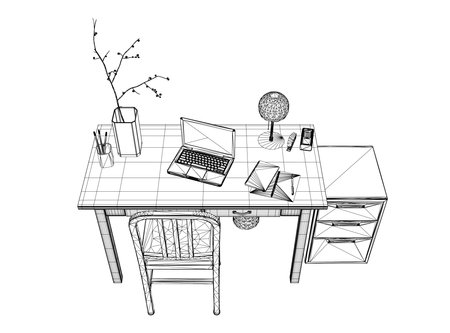
Introduction to Feng Shui in the UK Context
Feng Shui, an ancient Chinese practice centred on harmonising individuals with their surrounding environment, has gradually found its way into the British consciousness over recent decades. Its journey to the United Kingdom was initially met with curiosity and a hint of scepticism, as British professionals sought to understand how this Eastern philosophy might fit within a distinctly Western workspace. Traditionally, UK office design has been pragmatic and efficiency-driven, often prioritising function over form or spiritual well-being. However, as globalisation and cultural exchange accelerated, Feng Shui began to intrigue forward-thinking businesses interested in holistic approaches to productivity and staff wellbeing. Early perceptions among British professionals ranged from seeing Feng Shui as a mystical novelty to regarding it as a potential tool for creating more harmonious and effective work environments. This blend of curiosity and practicality set the stage for Feng Shui’s adaptation to local sensibilities, opening up discussions about how spatial arrangement could influence morale, creativity, and even business success in modern UK workspaces.
2. Core Principles of Feng Shui
Feng Shui, an ancient Chinese practice, focuses on harmonising individuals with their surrounding environment. In the context of modern UK workspaces, certain core principles stand out as particularly relevant and adaptable. The main goal is to create a workspace that promotes wellbeing, productivity, and positive energy flow—key values for UK businesses seeking both staff satisfaction and efficiency.
At its heart, Feng Shui revolves around the balance of five elements (wood, fire, earth, metal, water), the concept of Chi (energy flow), and the strategic arrangement of furniture and décor. While traditional applications may seem esoteric, many principles can be translated into practical guidelines suitable for British offices. Below is a summary table aligning core Feng Shui concepts with their potential relevance to UK work environments:
| Feng Shui Principle | Description | UK Workspace Relevance |
|---|---|---|
| Chi Flow | The movement of energy through a space; should be smooth and uninterrupted | Avoiding cluttered corridors and ensuring clear walkways for easy movement |
| Five Elements | Balance of wood, fire, earth, metal, water in décor or materials | Incorporating natural materials (wooden desks), metallic accents (lamps), greenery (plants) |
| Command Position | Main desk faces the entrance but isn’t directly in line with the door | Desk placement to enable visibility of office entry, fostering a sense of control and security |
| Light & Air Quality | Importance of natural light and fresh air for wellbeing | Utilising large windows or skylights common in British architecture; encouraging ventilation |
The adaptability of these principles means they can be incorporated without compromising the distinct character of UK office spaces. Emphasising orderliness, access to daylight, and strategic positioning of key furniture pieces aligns well with both Feng Shui teachings and contemporary British design sensibilities. This integration supports not only aesthetics but also the health and morale of employees within the evolving landscape of UK workplaces.

3. Modern UK Workspace Culture and Trends
In recent years, the landscape of UK workspaces has undergone significant transformation. Traditional closed-door offices have largely given way to open-plan layouts, fostering collaboration and communication among colleagues. This trend reflects a broader shift towards transparency and inclusivity within British workplaces, where hierarchy is subtly maintained but not overtly imposed. Alongside these physical changes, there has been a growing emphasis on employee wellbeing. Many organisations now offer wellness programmes, quiet zones, flexible working hours, and breakout spaces designed to reduce stress and support mental health. These initiatives are partly driven by evolving expectations of the British workforce, which increasingly values work-life balance, autonomy, and environments that nurture creativity and productivity. As employers seek innovative ways to attract and retain talent, integrating elements such as biophilic design, ergonomic furniture, and cultural practices—including those inspired by Feng Shui—has become more common. While not always explicitly labelled as Feng Shui, the focus on natural light, clutter-free spaces, and harmonious layouts resonates with its core principles. This confluence of modern trends and ancient wisdom creates opportunities for UK offices to be not just functional, but also supportive of holistic wellbeing.
4. Integration of Feng Shui in UK Workspaces
As the concept of Feng Shui gains popularity beyond its East Asian origins, many UK businesses and interior designers are exploring ways to adapt its principles for modern British workspaces. This integration process is often experimental, requiring a balance between traditional Feng Shui guidelines and the practical realities of British office environments.
Practical Examples of Implementation
Several UK companies have begun to incorporate Feng Shui elements with varying degrees of commitment. For instance, tech start-ups in London’s Shoreditch have experimented with desk arrangements that encourage the flow of positive energy, while established financial firms in Manchester have invested in consulting services to assess their office layouts. Common changes include repositioning workstations to face entrances, introducing natural elements like plants, and using soft lighting to create a calming atmosphere.
Table: Common Feng Shui Adjustments in UK Offices
| Feng Shui Element | Traditional Purpose | UK Adaptation Example |
|---|---|---|
| Desk Orientation | Maximise command position and focus | Desks facing doorways or windows for better visibility and light |
| Natural Elements | Promote vitality and reduce stress | Addition of indoor plants such as ferns or succulents |
| Lighting | Create a harmonious environment | Use of adjustable desk lamps and warm LED lighting instead of harsh fluorescents |
| Decluttering | Encourage mental clarity and productivity | Adoption of minimalistic storage solutions; regular clear-outs encouraged |
| Artwork & Colour Schemes | Balance energy through visual cues | Selecting calming British landscape prints and blue/green hues for meeting rooms |
Challenges and Local Adjustments
The adoption of Feng Shui in the UK does not come without its challenges. British architecture, especially in historic buildings, often imposes structural constraints—awkward corridors, small windows, or listed features may limit layout options. Moreover, some staff may view Feng Shui as esoteric or out of place within a traditionally pragmatic work culture. To address these sensitivities, designers often frame changes as wellbeing initiatives rather than overtly spiritual practices.
Local Sensibilities and Cultural Fit
To ensure acceptance, it is common for businesses to blend Feng Shui recommendations with familiar workplace wellness trends—such as biophilic design or ergonomic furniture—thus presenting adjustments as part of a broader strategy for employee satisfaction. By approaching Feng Shui from a practical and inclusive perspective, UK organisations can foster positive atmospheres while respecting local preferences and workplace norms.
5. Benefits and Criticisms from a British Perspective
The introduction of Feng Shui principles into UK workspaces has sparked a lively debate, with opinions often reflecting both curiosity and scepticism. Some British businesses have reported noticeable benefits, especially regarding staff morale and wellbeing. Employee feedback frequently mentions improvements in the atmosphere of redesigned offices, with many noting a greater sense of calm, enhanced focus, and even reduced stress levels. These positive reports are occasionally echoed in British press features, which highlight stories where subtle changes—such as repositioning desks or introducing natural elements—appear to coincide with increased job satisfaction and productivity.
However, there remains a strong current of scepticism, particularly within more traditional or scientifically-minded sectors. Critics often point out the lack of robust empirical evidence supporting Feng Shuis claims, dismissing it as pseudoscience or an unnecessary trend imported from abroad. British commentators in the media have sometimes questioned whether such interventions genuinely improve workplace performance, or if perceived benefits are simply the result of the placebo effect or a general desire for change in office environments.
Within this context, it is common to find a pragmatic British approach: some organisations adopt Feng Shui selectively, treating it as one tool among many for boosting employee comfort rather than a cure-all solution. This blend of open-mindedness and critical evaluation reflects wider UK attitudes towards workplace innovation—balancing new ideas with measured analysis and a touch of healthy scepticism.
6. Future Outlook and Practical Considerations
Looking ahead, the integration of Feng Shui into modern UK workspaces appears set to grow as organisations continue to value holistic well-being alongside productivity. While scepticism remains, particularly in traditionally conservative sectors, the broader conversation around workplace design is evolving. In Britain’s increasingly diverse and open-minded business culture, there is room for experimentation with Eastern philosophies like Feng Shui—especially when these practices are adapted with a pragmatic, local touch.
Embracing Simplicity and Relevance
The future of Feng Shui in British offices will likely involve a balance between traditional principles and practical application. Rather than a wholesale adoption of every classical rule, UK businesses might focus on core concepts such as decluttering, maximising natural light, and creating communal spaces that foster positive interaction. These approaches resonate with established British values such as orderliness and comfort, making them more accessible and acceptable in the local context.
Practical Tips for UK Workspaces
- Prioritise Natural Light: Arrange desks to make the most of windows and daylight—a principle both architects and Feng Shui practitioners endorse.
- Declutter Regularly: Encourage staff to keep their workspace tidy; less clutter means less stress and a clearer mind.
- Incorporate Greenery: Plants not only soften the office environment but also improve air quality—easy wins in any British workplace.
- Create Welcoming Entrances: Ensure entryways are bright, clean, and open to symbolise opportunity and ease first impressions.
- Foster Collaboration: Arrange meeting spaces to be inclusive and open, supporting teamwork—a value at the heart of many successful UK businesses.
A Forward-Thinking Approach
Ultimately, the most effective use of Feng Shui in British offices may come from blending its insights with evidence-based design strategies already familiar in the UK. By taking a measured, experimental approach—testing what works for your specific team and environment—you can create a workspace that feels both modern and mindful. As interest in employee well-being continues to rise across Britain, Feng Shui’s subtle influence could well become an integral part of future office culture.