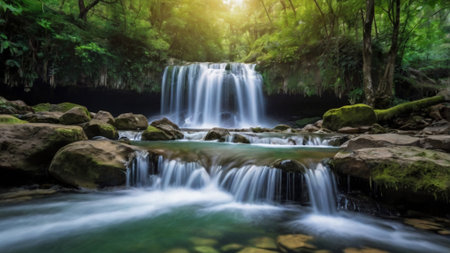
Sacred Waters: The Ancient Reverence for Springs and Wells
Across the rolling landscapes of Britain, from the mist-laden highlands of Scotland to the verdant meadows of the West Country, sacred springs and wells have long held a place of deep spiritual significance. These waters, often bubbling forth in secluded glens or at the foot of ancient oaks, were more than mere sources of sustenance; they were portals to realms unseen, venerated by communities for millennia. British geomancy, with its sensitivity to the land’s subtle energies, finds its origins entwined with these wellsprings of power.
In pre-Christian times, before the arrival of Roman roads and Norman spires, local tribes gathered at these sites not only to drink or wash but to commune with the spirits believed to dwell within. Springs such as Chalice Well in Glastonbury and St Nectan’s Glen in Cornwall became legendary, their waters reputed to heal wounds, grant visions, or bestow blessings upon those who approached with reverence. It was common for offerings—ribbons, coins, or carved tokens—to be left at these places as acts of devotion and gratitude.
British folklore is replete with tales of water spirits—nymphs, faeries, and guardians—who both protected and punished according to the conduct of human visitors. Legends tell of wells that would run dry if disrespected or overflow with abundance when honoured. This reciprocal relationship reinforced the belief that springs and wells were liminal spaces: thresholds between earth and otherworld, where the mundane met the magical.
Even as Christianity swept across Britain’s green hillsides, many holy wells were seamlessly woven into new religious narratives. The names changed—dedicated now to saints rather than goddesses—but the essential reverence endured. Pilgrims continued to journey to these sites, seeking healing and inspiration from waters that seemed to pulse with ancient wisdom. Thus, springs and wells remained foundational elements within Britain’s mystical narrative—a testament to their enduring power within both landscape and lore.
2. The Geomantic Tapestry: Mapping Power through Water
Within the ancient British landscape, water has always been more than a physical necessity—it is a silent architect shaping both the land and its spiritual destiny. Geomancy, the art of reading and working with the earth’s energies, finds one of its most potent expressions in the weaving of water’s pathways: springs bubbling from hidden depths, holy wells gleaming with centuries-old reverence, and rivers winding their way across valleys and dales. As practitioners attune themselves to these flows, they perceive an intricate map where water channels not just life but power itself.
Historically, communities were drawn to places where water’s presence was strong and pure. Springs were seen as gateways to the Otherworld, while wells often became sanctified through stories of healing or divine encounter. Rivers, meanwhile, acted as shimmering arteries threading sacred sites together—beacons for those seeking harmony with the land’s energetic currents. In British geomantic tradition, these watery features are believed to act as conductors of earth energy, amplifying or focusing natural forces at key locations.
Water Features and Their Geomantic Roles
| Water Feature | Geomantic Significance | Cultural Influence |
|---|---|---|
| Springs | Seen as sources of vital earth energy; often mark ley line intersections | Sites for ancient gatherings and ritual cleansing |
| Holy Wells | Regarded as healing portals; focal points for spiritual ceremonies | Linked to saints or mythic figures; destinations for pilgrimage |
| Rivers | Natural boundaries and connectors; direct lines of energetic flow | Often define parish borders; inspiration for folk tales and traditions |
This geomantic tapestry influenced where early Britons chose to build their settlements, raise standing stones, or dedicate churches. Place-names such as Tunbridge Wells or Holywell echo this veneration, hinting at a deep-seated intuition that certain waters hold sway over fate itself. The geomancer seeks out these places not only by map and compass but by sensing subtle shifts in atmosphere—a sudden hush beneath old oaks or a tingling at the edge of a stone-rimmed well—reading the language of water as it shapes the soul of Britain.

3. The Well as Oracle: Divination and Ritual at the Water’s Edge
Across the British Isles, wells and springs are more than mere sources of refreshment; they are ancient oracles where the boundaries between worlds seem to shimmer and blur. Picture a moss-carpeted glade at dawn, the air thick with anticipation as villagers gather around a bubbling spring. Here, beneath the watchful gaze of oaks and ash, water becomes a mirror to the unseen—a channel for prophecy and revelation. In the mists of early morning or under the hush of twilight, seekers have long approached these sacred waters with questions heavy in their hearts. The tradition of well divination—known in some corners as hydromancy—unfolds in rituals both grand and humble. A silver coin tossed into a deep pool, ribbons tied to hawthorn branches nearby, or simply the act of gazing into shimmering depths: each is an invitation for spirits of place or ancestral presences to speak. Tales abound from Cornwall to Cumbria of maidens glimpsing their future husbands’ faces in moonlit reflections, or wise women interpreting ripples on the surface as omens for village fate.
These practices are steeped in British folklore, where every well seems home to an otherworldly guardian—a Lady of the Well, a hidden nymph, or sometimes a stern but kindly saint. It is said that at certain times of year—Beltane dawns or All Hallows’ eves—the veil thins, and messages flow more freely from these watery realms. Pilgrims would travel miles to drink, bathe, or merely sit beside these enchanted pools in hopes of healing maladies both physical and spiritual. The water was often believed to carry blessings: touch it with reverence, and it might soothe fevered brows; whisper your wishes, and perhaps a silent answer would rise from the depths.
This sacred relationship endures even now in fragments—well-dressing festivals in Derbyshire, rag trees fluttering beside ancient springs on Dartmoor, and quiet moments when modern seekers feel a sudden hush at the edge of an old stone well. Through all these acts runs a current of geomantic wisdom: recognition that beneath our feet and within our landscape flows not just water but story, memory, and the subtle energies that shape destiny.
4. Christianisation and the Hidden Flow: Continuity and Change
The sacred wells, springs, and flowing waters of Britain have long been recognised as powerful sites of geomantic energy, their significance rooted in the land’s ancient memory. With the arrival and spread of Christianity, these sources of power did not simply vanish; instead, they underwent a profound transformation—one that reveals the resilience of old beliefs beneath the surface of new traditions.
Syncretism at the Sacred Waters
Christian missionaries faced a landscape where springs and wells were already revered as healing places, thresholds to otherworldly realms, and loci for communal ritual. Rather than eradicating these customs outright, many wells were syncretically woven into the Christian narrative. Pagan rites and symbols often merged with Christian practices, creating a subtle tapestry where saintly miracles echoed earlier tales of fae or local deities.
Rededication: From Pagan Spirits to Christian Saints
Many wells were rededicated to saints—particularly those whose legends mirrored earlier folk beliefs. St. Winifred’s Well in North Wales is a striking example: once likely dedicated to a local goddess or spirit, it became associated with St. Winifred’s miraculous powers of healing after her martyrdom. Below is an illustrative table comparing pre-Christian and Christianised aspects:
| Aspect | Pre-Christian Practice | Christian Adaptation |
|---|---|---|
| Healing Rituals | Offerings to water spirits for health | Blessings and prayers invoking saints’ intercession |
| Pilgrimage | Seasonal journeys to sacred springs | Pilgrimages on saints’ feast days |
| Votive Offerings | Coins, ribbons, or small items left for spirits | Candles, crosses, or prayers tied to saints’ shrines |
| Festivals | Celtic fire festivals at water sources | Well-dressing ceremonies linked to church calendars |
Beneath the Surface: Persistent Customs and Quiet Resistance
Despite Christian overlays, many ancient practices quietly endured. The clootie trees beside holy wells—where ribbons are tied as offerings—persist today in Cornwall, Scotland, and Ireland. Some rituals subtly retain their pre-Christian intent: well-dressing in Derbyshire still echoes older rites of gratitude to the spirit of water during times of drought or disease. Here, British geomancy becomes a story not just of replacement but of adaptation—a hidden flow carrying ancestral wisdom beneath the visible tide of ecclesiastical tradition.
5. Living Waters: Modern Pilgrimage and the Echoes of the Past
Across Britain, ancient springs and sacred wells continue to draw seekers—pilgrims of the modern age—who walk in the footsteps of their ancestors, yearning for connection and renewal. While technology hums at the edges of everyday life, many Britons find themselves irresistibly called to these age-old waters, weaving old wisdom into present-day rituals that speak to both heart and land.
Reviving Ancient Paths
The journey to a holy well or spring is not merely a physical undertaking; it is a rite of passage. From the mossy stone circles of Cornwall to the tranquil banks of the Chalice Well in Glastonbury, modern pilgrims approach with reverence, echoing practices that have endured for millennia. Ritual cleansing, quiet meditation, and offerings—ribbons tied to hawthorn branches or tokens cast into clear waters—are acts that bridge centuries, infusing contemporary spirituality with ancestral power.
Stories That Flow Through Time
Each sacred site holds its own lore, whispered through generations and retold around kitchen tables or firesides. Storytelling has become both an art and a spiritual practice; guides recount legends of healing nymphs, miraculous recoveries, and hidden treasures. For many Britons, these tales are not relics but living narratives that shape identity and foster belonging. In weaving personal intention with collective memory, visitors participate in an ongoing story—a tapestry enriched by every new voice.
Water as Healer and Oracle
Modern spiritual practitioners often gather at these sites for seasonal festivals or solitary contemplation. The act of touching ancient water, whether cupping it in one’s hands or simply gazing into its depths, becomes a form of dialogue—with nature, with spirit, and with one’s innermost self. Some seek answers in rippling reflections; others leave prayers for loved ones. In this way, wells and springs serve as conduits for healing, inspiration, and transformation—echoing their role in British geomancy as sources of energy and guidance.
The renewed engagement with these watery sanctuaries signals a quiet revival—a recognition that land and spirit are inseparable. As contemporary Britons honour the living waters, they rediscover their place within an ancient landscape, drawing strength from traditions that flow unbroken beneath the surface of daily life.